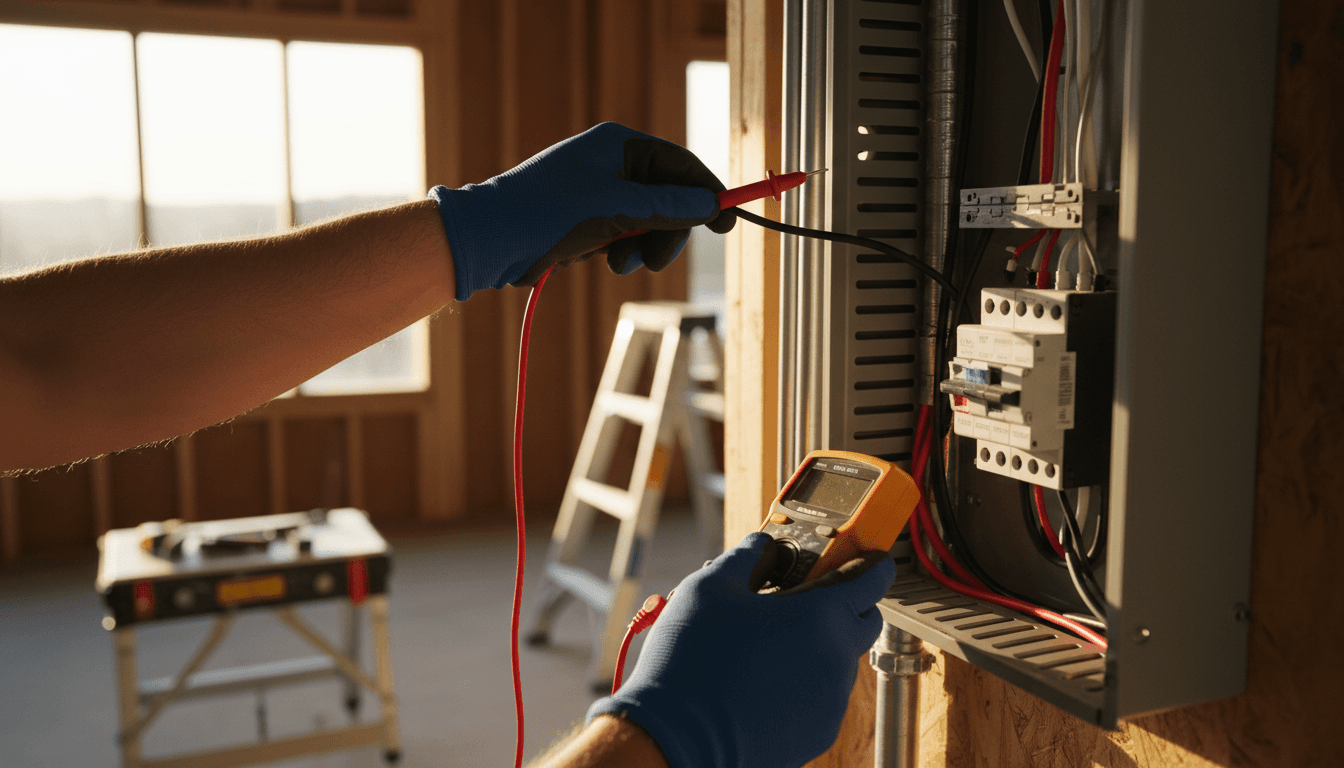
How Much Does an Electrical Panel Upgrade Cost? A Complete Pricing Guide
If you are planning a home renovation, moving into an older property, or simply trying to keep up with your family's growing power demands, you might be wondering: how much does an electrical panel upgrade cost?
Your electrical panel, also known as a breaker box or fuse box, is the central nervous system of your home. It safely distributes electricity from your utility provider to the various circuits throughout your house. When it becomes outdated or overloaded, it poses a severe safety risk.
In this comprehensive guide, we will break down exactly how much does an electrical panel upgrade cost, the factors that influence your final bill, and how you can budget for this essential home improvement project.
The Average Cost of an Electrical Panel Upgrade
When homeowners start researching how much does an electrical panel upgrade cost, the national average is usually the first thing they look for. Across the United States, the average cost to upgrade electrical panel systems typically ranges from $1,300 to $3,000.
However, this baseline assumes a standard swap of an existing 100-amp panel for a similar or slightly updated model. For modern households that are heavily reliant on technology, air conditioning, and large appliances, a 200-amp service is quickly becoming the new standard.
Upgrading to a 200-amp panel ensures your home can handle simultaneous power draws without tripping breakers. If you are specifically looking at the cost to upgrade electrical panel to 200 amps, you can generally expect to pay between $1,500 and $2,500, inclusive of labor and materials.
Key Factors That Impact Your Final Price
If you ask three different contractors, "how much does an electrical panel upgrade cost?" you will likely get three completely different quotes. This is because the electrical panel installation price is dictated by several highly variable factors:
1. Panel Amperage
The amperage capacity of your new panel is the biggest cost driver. When comparing the 100 amp vs 200 amp panel cost, a 100-amp panel might only cost $50 to $100 for the box itself, whereas a 200-amp panel can run $100 to $200. However, higher amperage requires thicker, more expensive copper wiring from the street to your home.
2. The Need for a Permit
Local municipalities require electrical permits to ensure the work meets strict safety codes. The electrical service upgrade cost will include permit fees, which typically range from $100 to $300 depending on your location.
3. Local Labor Rates
Electricians charge varying rates based on geography. An electrician in a major metropolitan area will naturally charge more per hour than one in a rural setting. Labor usually accounts for 40% to 50% of your total electrical panel replacement cost.
Hidden Costs & Additional Fees to Anticipate
When calculating how much does an electrical panel upgrade cost, you must look beyond the basic panel swap. A professional electrician will evaluate your entire electrical system. If they find substandard wiring or outdated components, your cost to replace breaker box setups will increase due to necessary additional work:
- Meter Box Upgrades: If your existing meter box is outdated or weather-damaged, local utility companies often require you to replace it during a panel upgrade. Replacing or upgrading a meter box can add $300 to $500 to your total.
- Installing a Subpanel: If you are finishing a basement or adding a garage workshop, you might need a subpanel to handle the localized load. This adds $400 to $1,000 to your project.
- Rewiring and Conduit Upgrades: Sometimes, the wiring entering your home from the street (the service entrance) needs to be upgraded to handle the new amperage. Trenching for new underground lines or upgrading the weatherhead and conduit can add hundreds, or even thousands, of dollars to the final bill.
- Wall Repairs: Occasionally, upgrading to a larger panel requires cutting into drywall or stucco. Don't forget to factor in the cost of hiring a handyman to patch and paint the wall after the electrician leaves.
Top Signs You Need an Electrical Panel Upgrade
Before stressing out over how much does an electrical panel upgrade cost, it is crucial to determine if you actually need one. Ignoring a failing electrical system can lead to devastating house fires. Here are the top signs you need an electrical panel upgrade:
- Your Home is Over 25 Years Old: If your home was built before the 1990s and still has its original electrical infrastructure, it was not designed to handle modern loads like EV chargers, multiple smart TVs, and high-efficiency HVAC systems.
- Frequently Tripped Breakers: If your breakers trip every time you run the microwave and the vacuum cleaner at the same time, your panel is struggling to manage the electrical demand.
- You Are Adding Major Appliances: Installing a hot tub, an electric vehicle charging station, or a new central air conditioning unit will require additional, dedicated amperage. (This is the most common reason homeowners ask, "what is the 200 amp panel upgrade cost?").
- Visible Signs of Damage: Are there scorch marks on your outlets? Do you smell burning plastic near the breaker box? Are your lights flickering intermittently? These are massive red flags indicating immediate electrical failure.
How to Save Money on Your Electrical Panel Upgrade
While how much does an electrical panel upgrade cost can yield high numbers, there are smart ways to mitigate the financial impact without sacrificing safety or quality.
1. Always Hire a Licensed Electrician It might be tempting to hire a cheap, unlicensed handyman to save a quick buck. However, electrical work is incredibly dangerous. A licensed electrician ensures the job is done right, up to code, and passes necessary inspections. Failing an inspection or causing fire damage will ultimately cost you significantly more.
2. Get Multiple Quotes Labor rates vary wildly. To ensure you are getting a fair electrical panel installation price, obtain at least three detailed, itemized quotes from reputable local electricians.
3. Bundle Your Electrical Projects If you have been meaning to install ceiling fans, add recessed lighting, or upgrade a few outlets, do it at the same time as your panel upgrade. Electricians often charge a minimum fee for a house call. Bundling projects maximizes the electrician's time on-site and can lower the overall hourly burden.
Frequently Asked Questions (FAQs)
Does upgrading an electrical panel increase home value? Absolutely. Not only does it make your home vastly safer, but it also provides peace of mind to potential buyers. A newly upgraded electrical system is a massive selling point that often yields a high return on investment.
How long does it take to upgrade an electrical panel? A straightforward panel swap usually takes between 4 to 8 hours. However, if you are upgrading the amperage (e.g., moving from 100-amp to 200-amp service) and need a new meter box or trenching, the project can take up to two days.
Is a permit required for an electrical panel upgrade? Yes. In almost every jurisdiction, a permit is legally required for an electrical panel upgrade. Your licensed electrician will usually pull this permit for you and coordinate the necessary city or county inspections.
Conclusion: Planning Your Electrical Budget
So, how much does an electrical panel upgrade cost? While the average ranges from $1,300 to $3,000, your final price will ultimately depend on your home's age, your desired amperage, and the condition of your existing wiring.
While the upfront cost can feel steep, an electrical panel replacement is an investment in your home's safety, functionality, and long-term value. Don't wait for breakers to start tripping or, worse, for an electrical fire to spark. Consult with a licensed local electrician today to get an accurate quote and ensure your home is safely powered for the decades to come.